21:30 · Lights out. Room 105.
Everything in this room stays in it.
Between rounds, see which room to check first.
A small ceiling sensor for each resident room, with no camera or microphone. It decides on the device and sends your night team a short status.
Talk to us about a pilot- 103Normal
- 104Normal
- 105Normal
- 106Normal
21:30 · 105 sent: Normal
Start with a paid pilot.
5 to 10 rooms for 8 to 12 weeks, alongside your current night routine.
About ¥20,000 per room, plus about ¥3,000 per room each month.
Target pricing. KINTO is in development and not yet for sale. Aichi Prefecture's care technology subsidy may cover up to 4/5 of eligible costs, subject to approval.
Talk to us about a pilot- The bench prototype caught 127 of 127 staged falls.Measured with team members on a low bed, not residents.
- In an 18-night simulation, false alerts fell from 16 to 1 per room per night.Simulation with measured sensor noise.
A working bench prototype in Nagoya, not yet in any facility. Care facilities first, homes later.
Built in Nagoya by Team KINTO.
Five students at Nagoya University. We design the hardware, the on-device AI and the staff software ourselves.
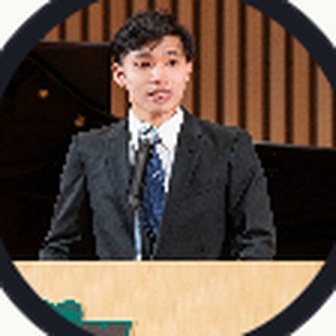
Raymond Tenorio Borres
Co-founder · Hardware and sensing
Iloilo, Philippines

Davin Chandra
Co-founder · Enclosure and industrial design
[Home country]

Nicholas Eric Syuhendra
Co-founder · On-device AI and decision logic
Indonesia

Jeffrey Zhang
Co-founder · Software and the staff console
[Home country]
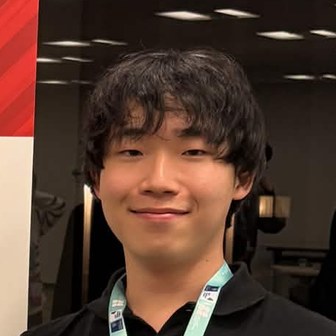
Han Sangwoo (Alex)
[Title]
[Home country]
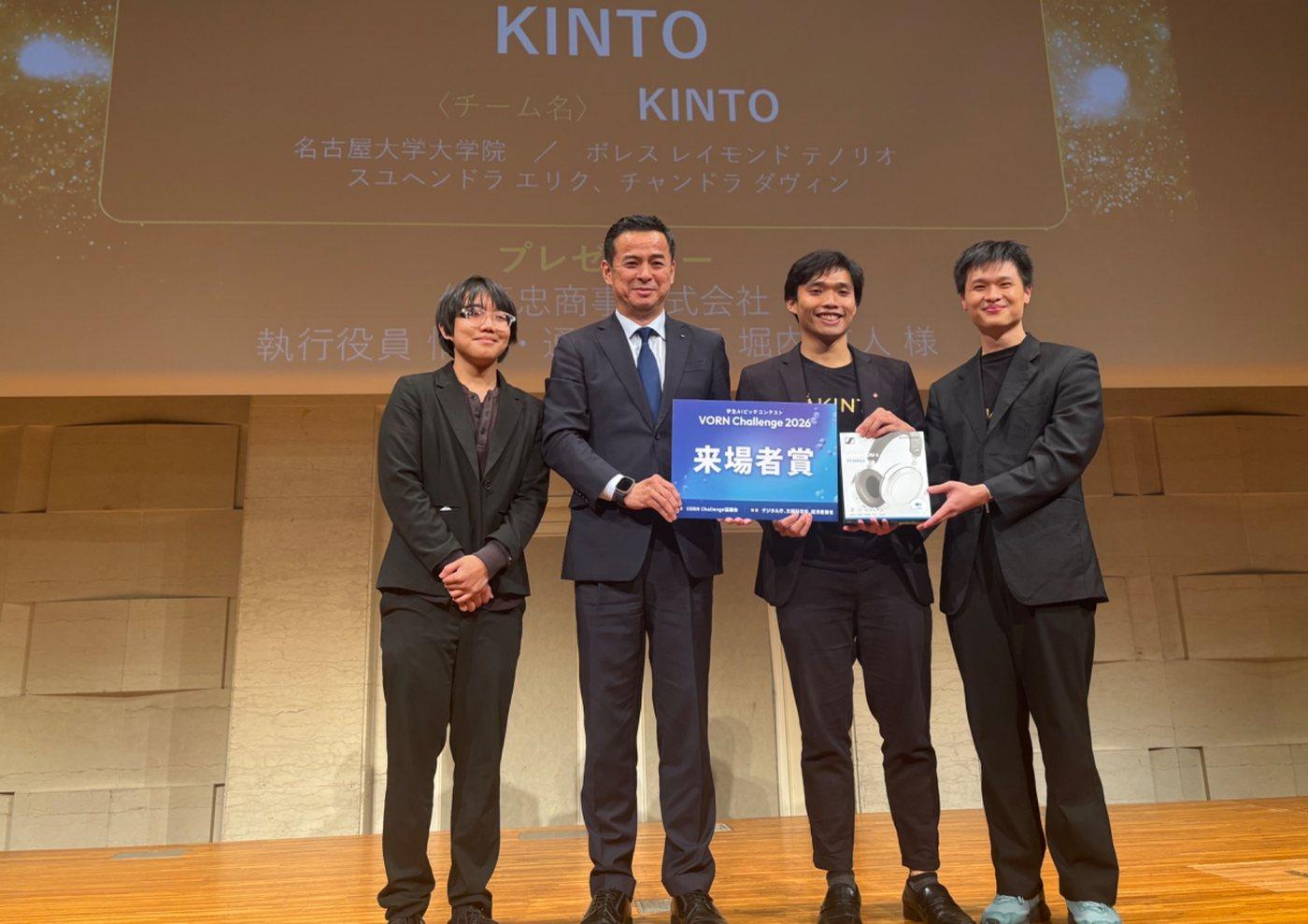
Recognition, 2026
- Audience AwardVORN Challenge
- Outstanding Achievement AwardG-1 Startup Grand Prix
- J.SECURITY AwardLife Tech Grand Prix, Leave a Nest
Talk to us about a pilot.
Tell us about your rooms and your nights. We read every message.
Or write to kinto.familyband@gmail.com